كيف تقارن مكاملي الروبوتات ومصنّعي المعدّات الأصلية ومورّدي الحلول المتكاملة
التسليم بقيادة المُكامِل: الملاءمة ودَيْن الوضوح لديك
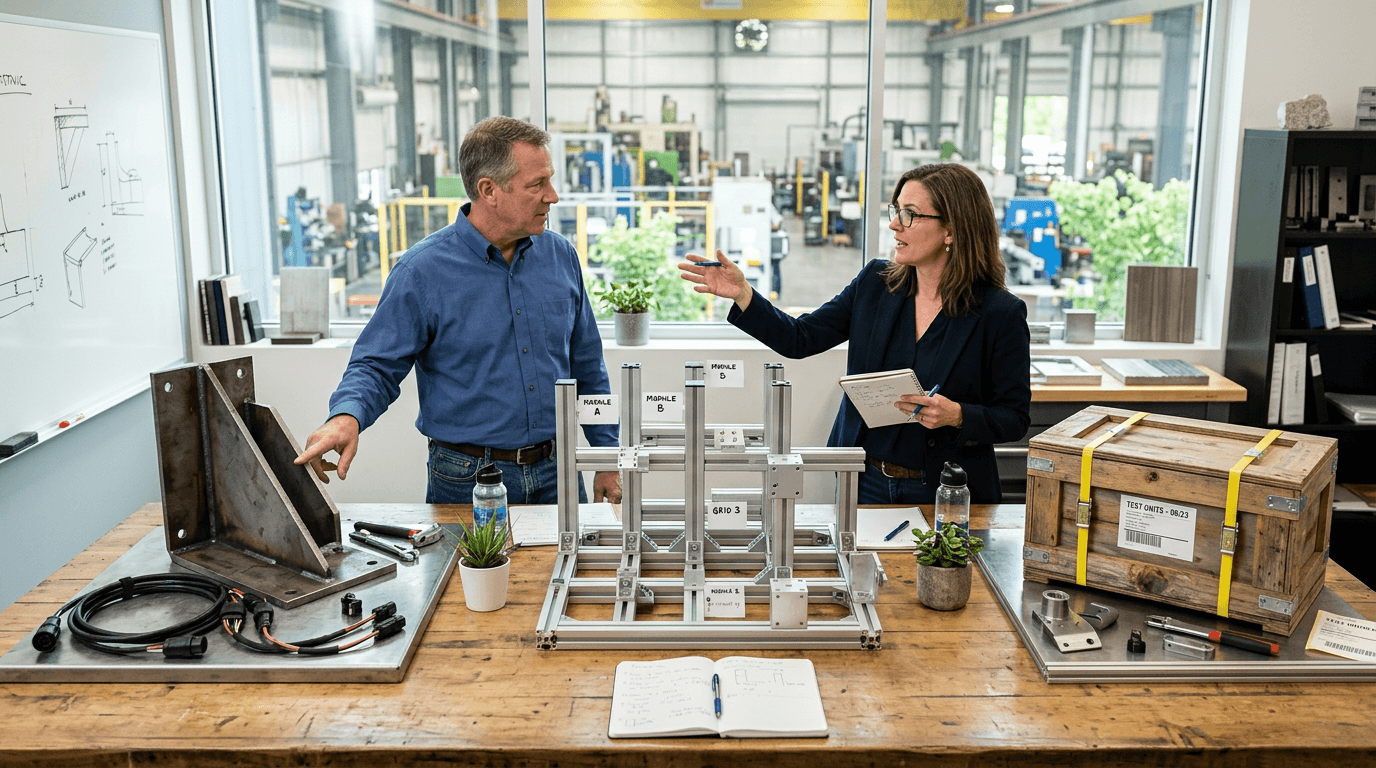
كثيرًا ما يُحسّن العمل بقيادة المُكامِل الملاءمة الهندسية لواقع المصنع الفوضوي. تحصل على مرونة وواجهات مخصّصة؛ وتحمل أيضًا عبئًا أكبر من الوضوح الداخلي. يميل النزاع إلى الظهور عند حواف النطاق، وفجوات الافتراضات، ومفاجآت التكامل حيث كان الموجز رخوًا. هذا المسار يكافئ حوكمة مشترٍ قوية.
التسليم بقيادة مصنّع المعدّات الأصلية: قوة النمط وتوتّر الحدود
كثيرًا ما تُحسَّن المسارات بقيادة مصنّع المعدّات الأصلية حول منصّات موحَّدة وأنظمة فرعية قابلة للتكرار. تميل الحدود إلى أن تكون أوضح، وأنماط الاختبار المصنعي أقوى، والتحكّم في التغيير أكثر إحكامًا. يظهر النزاع حين تكسر قيودُك القالبَ — تغيّر غير معتاد، أو تكامل محيطي محرج، أو ظروف موقع لا تطابق قصّة الكتالوج.
التسليم المتكامل والمحزَّم: مساءلة واحدة حين يكون الصندوق نظيفًا
يمكن للحزم المتكاملة أن تركّز المسؤولية عن نتيجة محدّدة — حين تكون الاستثناءات صادقة والواجهات مستقرّة. يتجمّع النزاع في المناطق الرمادية: عمليات تسليم فوضوية في المرحلتين السابقة واللاحقة، ورؤية غير واضحة للمقاولين من الباطن، أو لغة «نافذة واحدة» لا تصمد أمام أول حقيقة في الموقع.
ثمانية حقول تُبقيها ثابتة عبر كل نوع
اطرح على كل مورّد الأسئلة نفسها بالبنية نفسها. ما الداخل والخارج عن النطاق، بلغة واضحة؟ ما الافتراضات التي تكمن تحت الأداء والجدول الزمني؟ كيف ستُثبَت القدرة — أين، وبأي عيّنات، ومقابل أي منطق قبول؟ من يملك التكامل في طبقات الميكانيكا والكهرباء والتحكّم والبيانات؟ كيف تُطلَب التغييرات وتُسعَّر وتُعتمَد؟ كيف تُوزَّع التأخيرات وقيود التوريد والمجهولات التقنية؟ ماذا يعني التوثيق والتدريب و«مكتمل» تشغيليًا؟ ماذا يحدث بعد التشغيل — توقّعات الاستجابة، وقطع الغيار، والتصعيد؟
إن لم يستطع مورّد جعل تلك الإجابات مقروءة، فعامِل ذلك كإشارة — لا كغرابة تنسيق.
طابِق النموذج مع شكل المشكلة
عبء التكامل العالي مع حوكمة داخلية ناضجة قد يفضّل عمق المُكامِل إن استطعت الحفاظ على انضباط النطاق. المشكلات القابلة للتكرار المتمحورة حول المعدّات بتغيّر مضبوط قد تفضّل نقاط قوة مصنّع المعدّات الأصلية. النتائج ذات الحدود النظيفة بواجهات مستقرّة قد تلائم الحلّ المتكامل — شريطة أن تكون الاستثناءات قابلة للقياس.
نمط الفشل الشائع هو الاختيار بناءً على ألفة العلامة بينما يشير شكل المشكلة إلى مكان آخر.
أدِر اجتماعات مقارنة تكافئ الجوهر
استخدم موجزًا واحدًا وهيكل استجابة واحدًا. هيكِل الأسئلة والأجوبة حول الافتراضات والاستثناءات. اطلب بيانًا قصيرًا بالاعتماديات والمخاطر. التقط الفروق في مصفوفة تملكها المشتريات. لا تدع أفضل مقدّم عرض يفوز افتراضيًا.
كيف يساعد DBR77 Marketplace
المقارنة المنظَّمة تجعل فروق أنواع المورّدين مرئية في الافتراضات والنطاق والملكية — لا في جماليات الشرائح فحسب.
للقراءة المجاورة، اقرن هذا بـ ماذا ينبغي أن يُظهِر عرض أتمتة جيّد و ماذا تفحص قبل توقيع عقد أتمتة.
أنماط المورّدين وقدرتك الداخلية
نوع المورّد «الصحيح» يعتمد على ما تستطيع مؤسستك حوكمته. المسارات بقيادة المُكامِل تستهلك وضوح المشتري؛ والمسارات بقيادة مصنّع المعدّات الأصلية تستهلك ملاءمة القالب؛ والمسارات المتكاملة تستهلك تعريف حدود نظيفًا. إن لم تستطع صالتك إنتاج موجز مستقرّ ومالكي واجهات، فإن أرقى لغة حلّ متكامل ستتآكل أيضًا. طابِق نموذج المورّد لا مع المشكلة التقنية فحسب، بل مع نضج الحوكمة الذي ستديره فعلًا أثناء التكامل.
حين تختلط النماذج — وهي تختلط غالبًا — اكتب أي العناصر تتبع أي القواعد: أين تنتهي المنصّات القياسية، وأين تبدأ الهندسة المخصّصة، وكيف سيتصرّف الدعم بعد التشغيل. التسليم المختلط بلا قواعد صريحة يصبح أسوأ العالمين: تعقيد مخصّص بمساءلة غير واضحة.
الخلاصة
تنطوي أنماط المورّدين هذه على أنماط ملكية مختلفة. قارن حقول القرار نفسها لكل مسار، وعندئذٍ تستطيع شرح الترسية داخل المصنع — والدفاع عنها حين يصعب التنفيذ.
DBR77 Marketplace يدعم المقارنة المنظَّمة للعروض واختيار المكاملين الموجّه نحو الثقة، كي تظهر فروق أنواع المورّدين في الافتراضات والنطاق، لا في العروض التقديمية فحسب. قارن العروض أو ابدأ العرض التوضيحي للمصنّعين.