كيف تحافظ على زخم الأتمتة بعد أول اجتماعات المورّدين
انشر بينما الذاكرة طازجة
خلال أيام، لا أسابيع، عمّم ملخّصًا قصيرًا: القرارات المتّخذة، والأسئلة المفتوحة، والمالكون، وتواريخ الاستحقاق. إن كان المشتري وحده يتذكّر ما قيل، فليس لديك مواءمة — بل فيلم خاصّ.
سجلّ افتراضات واحد، عمود فقري واحد للمقارنة
تنتمي الاستيضاحات إلى سجلّ مشترك مرتبط بحقول التقييم. السلاسل الجانبية الخاصّة تخلق معلومات غير متماثلة وتدمّر القابلية للمقارنة. حين يحصل مورّد على إجابة، ينبغي أن يحصل كل مقدّم عرض جادّ على الحقيقة نفسها — أو ينبغي أن توثّق لماذا لا، وكيف ستوحّد العروض.
إيقاع أسبوعي، يملكه المشتري
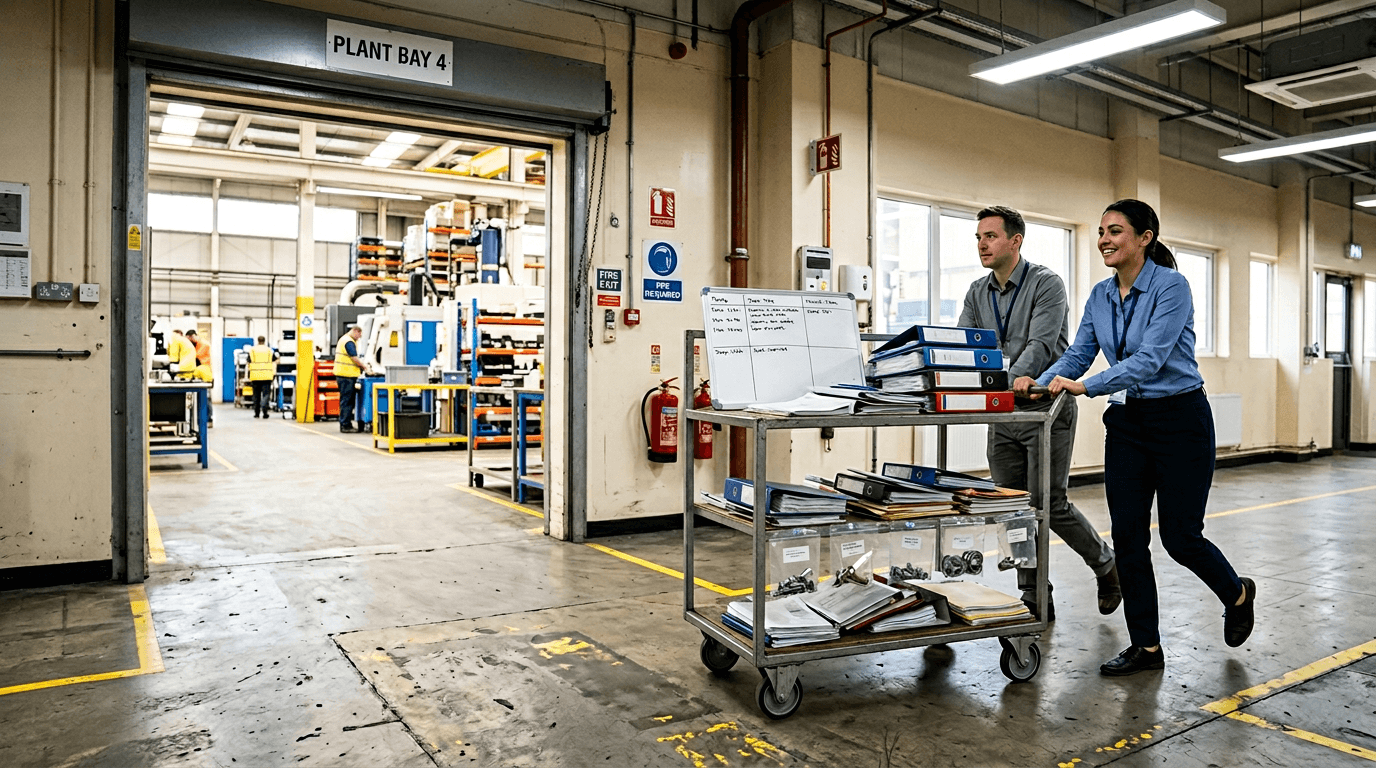
عامِل الشراء كالإنتاج: فتحة ثابتة للنطاق والمخاطر وقرارات المعالم. بدون نبض، يصبح توريد الأتمتة هواية تنتظر انتباهًا فارغًا لا يأتي أبدًا.
جمّد حقول المقارنة بين الجولات
إذا تحرّكت الأعمدة كلما وصل بريد جديد، فلن يستطيع المكاملون الاستجابة لهدف مستقرّ. قرّر ما تقارنه، وثبّته للجولة، ثم غيّره عمدًا بضبط الإصدارات — لا بالصدفة عبر الثرثرة.
الانجراف الداخلي هو القاتل الصامت
يموت الزخم الخارجي حين تختلف العمليات والهندسة والمشتريات بصمت. إن شعرت بتباطؤ، فابحث عن انعكاسات غير موثَّقة قبل أن تلوم المورّدين.
كيف يساعد DBR77 Marketplace
الزخم بعد الاجتماع هو في الحقيقة اختبار لما إذا كان تدفّق العمل يُبقي القرارات قابلة للفحص عبر الزمن. المُخرَجات المنظَّمة والحقول المجمَّدة ليست أوراقًا — إنها ما يمنع الحوار من الذوبان في ضجيج.
لأقرب الجيران في المراحل السابقة، انظر كيف توائم العمليات والهندسة والمشتريات قبل شراء الأتمتة و كيف تقارن مكاملي الروبوتات ومصنّعي المعدّات الأصلية ومورّدي الحلول المتكاملة.
الإيقاع يتغلّب على البطولات
الزخم أقلّ ارتباطًا بالإلهام وأكثر ارتباطًا بالتقويم. حين يكون لعمل الشراء فتحة متكرّرة، فإنه ينافس بإنصاف طوارئ الإنتاج بدلًا من أن يخسر دائمًا. احمِ تلك الفتحة كما تحمي شحنة عميل: لأنها جزء من الموثوقية التشغيلية، لا هواية اختيارية.
قِس الزخم أيضًا بالمُخرَجات، لا بالنشاط: استيضاحات منشورة، ومصفوفات محدَّثة، وقرارات مؤرّخة. صناديق بريد مشغولة بلا مُخرَجات علامة تحذير على أن العملية تنجرف عائدةً إلى القنوات غير الرسمية.
من القرار إلى سلوك المصنع
الغرض من إحكام هذا الجزء من رحلة الشراء — «كيف تحافظ على زخم الأتمتة بعد أول اجتماعات المورّدين» عمليًا — هو جعل التنفيذ قابلًا للتنبّؤ. في المواقع الصناعية، لا يبقى الغموض مجرّدًا: يصبح انتظارًا، وإعادة عمل، وحلولًا صامتة، وجدالات بجوار المعدّات حين كان الخط يحتاج الوضوح قبل أسابيع. حين تنشر الفِرق الحقائق نفسها، وتربط القبول بالدليل، وتُبقي الملكية مرئية، يستجيب المورّدون بمفاجآت أقلّ وتقضي الوظائف الداخلية وقتًا أقلّ في التوفيق بين قصص متنافسة.
هذه ليست نظرية لوظائف الإسناد وحدها. يشعر مديرو المصانع بالعواقب حين لا تطابق مُخرَجات الشراء واقع الصالة: عمل إضافي مُمتَصّ، ويقظة جودة مُمطَّطة، وصيانة تُجَرّ إلى الارتجال حول واجهات نصف معرَّفة. لذا فإن انضباط الشراء القوي استثمار إنتاجي — دراما أقلّ أثناء التركيب، ومحادثات تغيير طارئة أقلّ، ومسار أسرع إلى إنتاج مستقرّ. عند الشكّ، أبطِئ المستند حتى يطابق الخطّ؛ فإسراع مستند غير متطابق ينقل الألم إلى المراحل اللاحقة فحسب.
إن أخذت عادة واحدة، فلتكن هذه: عامِل كل مُخرَج شراء رئيسي كشيء تستطيع العمليات والصيانة تدقيقه. إن لم يستطيعوا تتبّعه إلى سلوك في الصالة، فأحكِم اللغة حتى يستطيعوا. هذا الانضباط الواحد يمنع كثيرًا من الإخفاقات التي تبدو تقنية بأثر رجعي لكنها كانت مشكلات قرار منذ البداية.
الخلاصة
الاجتماعات تخلق الحماس؛ والسجلّات تخلق القرارات. انشر الملخّصات، وسجّل الافتراضات، وجمّد حقول المقارنة، وأدِر إيقاعًا أسبوعيًا يعامل الشراء كالعمليات.
DBR77 Marketplace يدعم المُخرَجات المنظَّمة وانضباط المقارنة اللذين يمنعان الزخم من الذوبان في سلاسل البريد والصفقات الجانبية. قارن العروض أو ابدأ العرض التوضيحي للمصنّعين.