أكبر الخرافات حول الأتمتة الصناعية
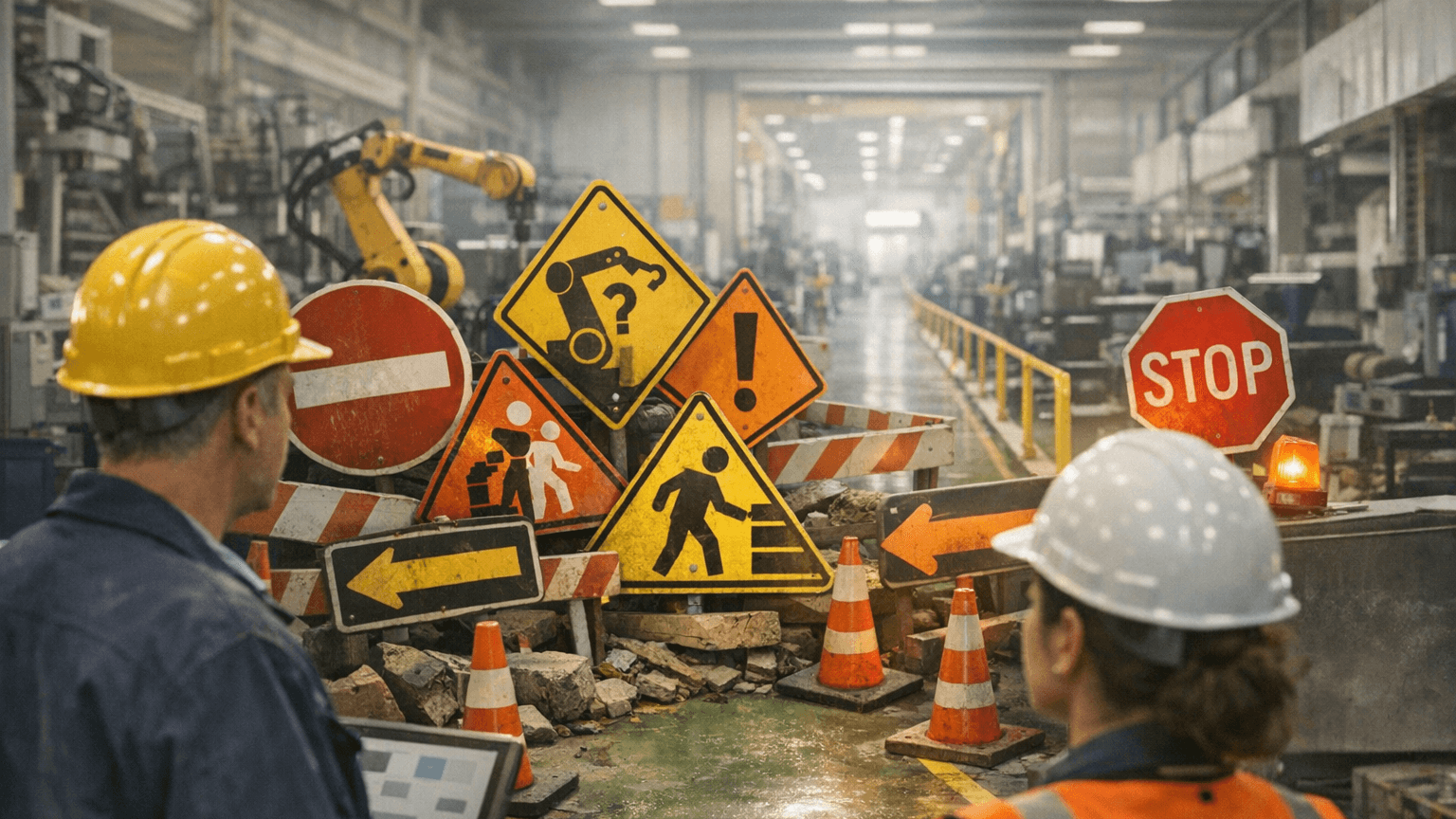
«المصانع الكبيرة وحدها تؤتمت»
الخطوط الرائدة تتصدّر العناوين؛ لكنها لا تحدّد الأهلية. المتغيّر المهمّ هو ملاءمة العملية: عمل متكرّر، وضغط عنق زجاجة، وحساسية للجودة، وكثافة عمالة عند نقطة اختناق. كثيرًا ما يستطيع موقع متوسّط الحجم، ببيان مشكلة حادّ وعملية شراء منضبطة، التحرّك أسرع من موقع كبير عالق في ضباب اللجان.
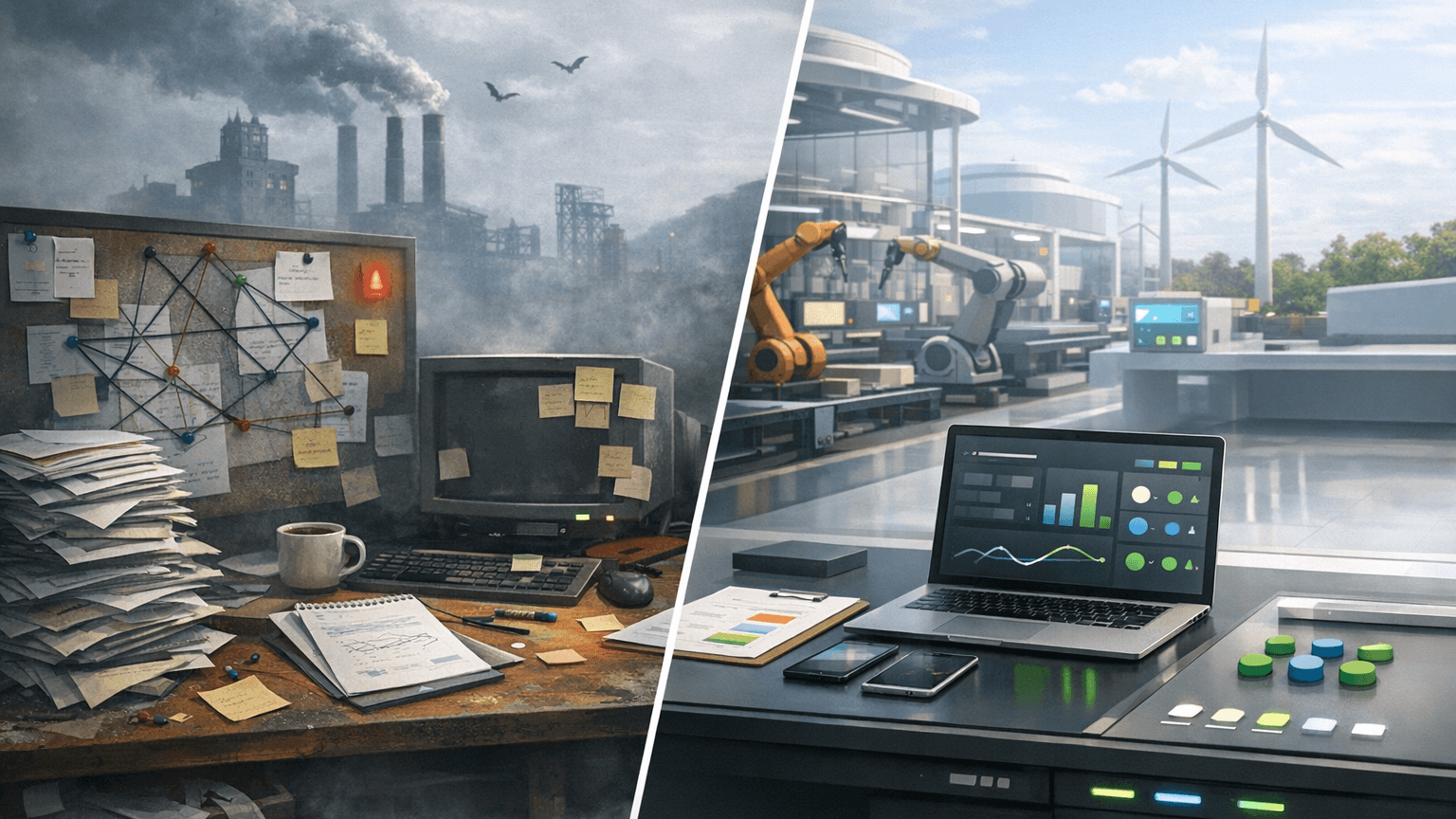
«الأتمتة تعني شراء روبوت»
الروبوتات أداة واحدة. وكذلك الأتمتة الثابتة والنقل والرؤية وأنظمة التحكّم وطبقات البرمجيات التي تربط المعدّات بواقع الإنتاج. الانطلاق من تسمية العتاد يدعو إلى الخلط بين الفئات. الانطلاق من مشكلة العملية يُبقي المحادثة صادقة حول ما يجب أن يتغيّر في التدفّق والسلامة والإنتاج.
«إنها دائمًا باهظة الثمن»
أحيانًا لا تكتمل الجدوى الاقتصادية. وكثيرًا ما تُلفَظ عبارة «باهظ الثمن» قبل وجود النطاق والقيود والقابلية للمقارنة. بدون رؤية منظَّمة، تقارن الفِرق عرض سعر جزئيًا بألمٍ غير معرَّف. العلاج ليس التفاؤل؛ بل جعل البديل مرئيًا — كم يكلّف البقاء يدويًا من تباين وعمل إضافي وإعادة عمل واستجابة متباطئة — وإجبار العروض على حدود النطاق نفسها.
«إنها دائمًا تستغرق وقتًا طويلًا»
بعض المشاريع تتعثّر لأن التكامل صعب. وكثير منها يتعثّر لأن المتطلبات تتشتّت، والعروض غير قابلة للمقارنة، والمواءمة الداخلية تدور دون أن تتقارب. الوقت متغيّر تدفّق عمل بقدر ما هو متغيّر هندسي. التعريف الأنظف للتحدّي والمقارنة الموحَّدة يزيلان أسابيع لا علاقة لها بجودة التصنيع.
«لسنا جاهزين بعد»
اقرأ هذه العبارة بعناية. كثيرًا ما تعني أن المؤسسة تفتقر إلى مشكلة مقروءة، أو مالك مُسمّى، أو طريقة عادلة للحكم على العروض — لا أن الفيزياء تمنع المشروع. البنية تحوّل «غير جاهز» إلى قائمة تحقّق: المدخلات، والملكية، ومعايير النجاح، وقابلية تحمّل المخاطر. عندها يصبح الاستعداد قابلًا للتنفيذ بدلًا من كونه بلاغيًا.
«الأتمتة تقتل المرونة»
الملاءمة السيّئة هي التي تقتل المرونة. أما النظام المحدَّد النطاق جيدًا فيمكنه تثبيت الأجزاء الرتيبة من العمل ليتولّى البشر التغيّر حيث يهمّ. سؤال التصميم هو: ما الذي يجب أن يكون مرنًا — مزيج وحدات التخزين، وعمليات التحويل، وحجم الذروة — وهل يحافظ الحل المقترح على ذلك ضمن قواعد متّفق عليها؟
«التكنولوجيا هي الجزء الأصعب»
قد تكون التكنولوجيا متطلِّبة. ومع ذلك، يحدث كثير من التعثّر في وقت أبكر: موجزات غامضة، واستيضاحات غير متماثلة، ومنطق مقارنة ضعيف، وقبول ضبابي. هذه المشكلات أقلّ وضوحًا من عطل ميكانيكي، لكنها تشكّل النتائج بالقدر نفسه من اليقين.
كيف تتحوّل الخرافات إلى مال ضائع
المعتقدات تقود السلوك. حين تهيمن الخرافات، تؤجّل الفِرق، أو تقلّل من حجم الاستكشاف، أو تطارد يقينًا كاملًا. يستمرّ المصنع في دفع ثمن النموذج القديم بينما تهنّئ القيادة نفسها على حكمتها. تحدّي الخرافات ليس تشجيعًا للروبوتات؛ إنه إصرار على نظافة القرار.
كيف يتصدّى DBR77 Marketplace للضباب
يستبدل DBR77 Marketplace النقاش المفتوح حول الأتمتة بتعريف منظَّم للتحدّي، وعروض قابلة للمقارنة، ومسار أنظف عبر اختيار المورّدين. الهدف ليس محو عدم اليقين — بل وضعه حيث ينتمي، في افتراضات صريحة ومفاضلات مرئية بدلًا من سرد القصص.
من القرار إلى سلوك المصنع
الوضوح في نظام الشراء ليس فائدة أكاديمية. إنه يغيّر ما يعيشه الخط أثناء التكامل: قيود «مفاجئة» أقلّ، وخلافات أقلّ حول ما وُعد به، وتقارب أسرع لأن المشغّلين والصيانة يستطيعون التعرّف على الخطة. حين تُبقي الخرافات القرارات ضبابية، تدفع المصانع الثمن في حملٍ يدوي مستمر وفي الضريبة الخفية للتنسيق. استبدال الخرافة بمقارنة منظَّمة هو كيف تحوّل القيادة الأتمتة من قلق متكرّر إلى حركة رأسمالية قابلة للتكرار.
إن أخذت عادة واحدة، فلتكن هذه: كلّما أكّد أحدهم خرافة، اسأل ما الدليل الذي قد يدحضها داخل مصنعك — وما القابلية للمقارنة التي تحتاج إلى رؤيتها قبل إنفاق شهر آخر في مناقشتها.
الخلاصة
تعود معظم تأخيرات الأتمتة إلى معتقدات تبالغ في المخاطر أو تُضبّب القرار. استبدل الشعارات بمشكلة ملموسة، وردود قابلة للمقارنة، ومعايير صريحة. تصبح محادثة التكنولوجيا أسهل حين تصبح محادثة الشراء جادّة.
DBR77 Marketplace يساعد المشترين على استبدال المعتقدات الغامضة حول الأتمتة بتعريف منظَّم للتحدّي وعروض قابلة للمقارنة وقرارات أوضح. صِف تحدّيك أو ابدأ العرض التوضيحي للمصنّعين.