مخاطر أوامر التغيير التي يجب التحقق منها قبل بدء مشروع الأتمتة
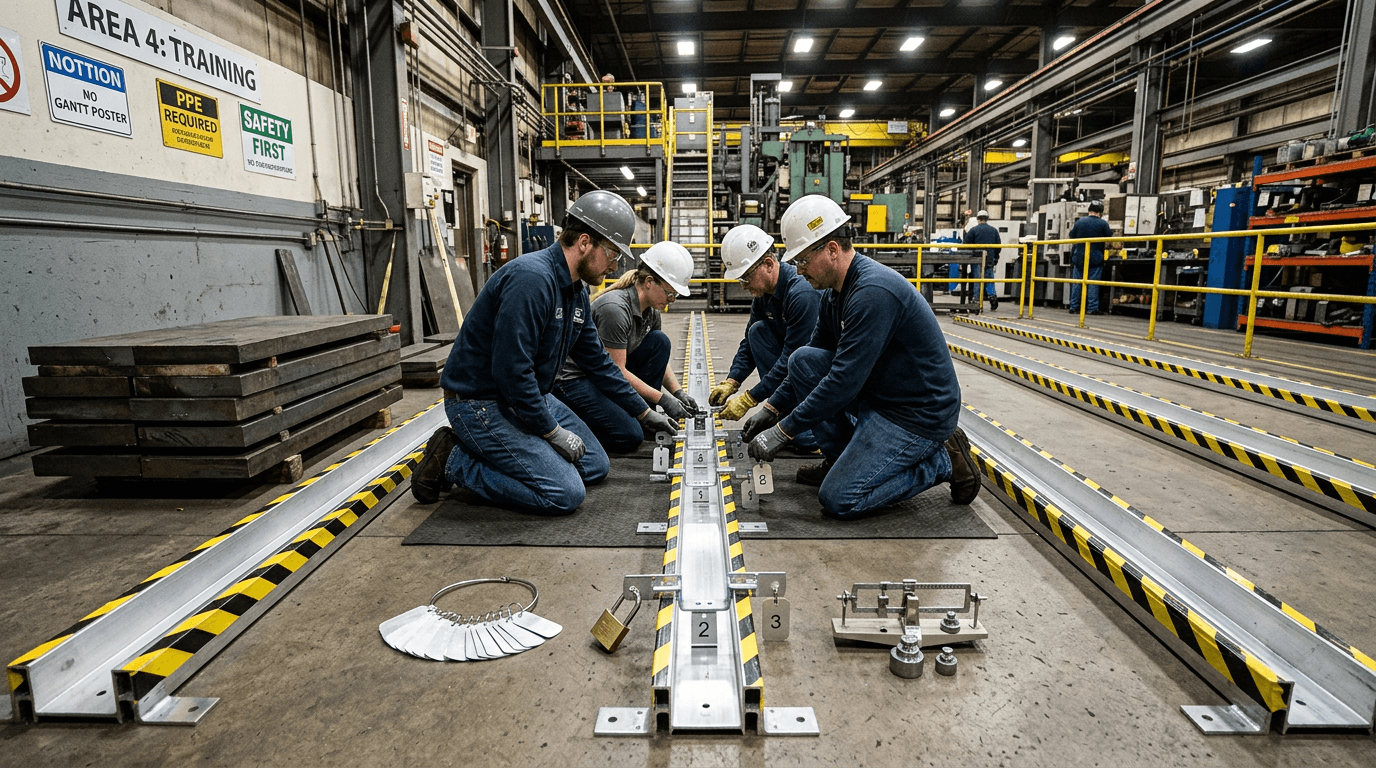
الواجهات هي ساحة المعركة المعتادة
يجب أن تكون عمليات التسليم الميكانيكية والكهربائية وأنظمة التحكم وتقنية المعلومات والسلامة محددة المسؤولية، لا ضمنية. المناطق الرمادية هي حيث تتكاثر أوامر التغيير.

الوصول وواقع الموقع
تؤثر الطاقة والمساحة ومسارات الشبكة ولوجستيات الرفع ونوافذ الإنتاج على ما يمكن للمُكاملين فعله ومتى. إذا كانت افتراضات الوصول خاطئة، تتبعها نزاعات الجدول الزمني — حتى حين لم ينوِ أحد التضليل.
العيوب الكامنة في خط الأساس
أحيانًا لا يكون «النظام القائم» مفهومًا كما ادّعت العروض التقديمية. التحقق من خط الأساس ينتمي إلى مرحلة ما قبل التعبئة، لا كنشاط اكتشاف يُفوتَر في منتصف المشروع.
التصعيد قبل المشاعر
اتفق على عتبات: متى يُطلق تحرك التكلفة أو الجدول الزمني مراجعةً تنفيذية، وكيف تُقدَّم الأدلة، ومن يستطيع الموافقة على ماذا. الآليات الهادئة أفضل من المفاوضات في الممرات بجانب خط الإنتاج.
مراجعة داخلية عملية لمدة ساعة
اقرأ نطاق خط الأساس بصوت عالٍ مقابل العرض المُقيَّم؛ اسرد الافتراضات الرئيسية وحدد تواريخ التحقق؛ عيّن مسؤولين للتبعيات المصنعية مع حجوزات تقويمية؛ أكّد التصعيد عند تجاوز العتبات. انضباط صغير، وفورات كبيرة.
كيف يرتبط DBR77 Marketplace
عندما تظل خطوط الأساس والافتراضات مرئية من المقارنة حتى العقد، تُصنَّف التغييرات بعد الترسية مقابل ما قُرّر بالفعل — بدلًا من إعادة النقاش في الغموض القديم تحت رقم فاتورة جديد.
للاطلاع على أقرب الضوابط المجاورة، انظر ما يجب التحقق منه قبل توقيع عقد الأتمتة، ومتى تُعاد فتح قرار الأتمتة قبل التوقيع، وكيف يبدو التسليم النظيف من الاختيار إلى التوصيل.
أوامر التغيير كمعلومات
الارتفاع المبكر في حركة التغيير غالبًا ما يكون تشخيصيًا: نطاق غير واضح، أو افتراضات غير مستقرة، أو استعداد داخلي ضعيف. تعامل مع الأنماط بجدية. الهدف ليس صفر تغييرات — المشاريع الحقيقية تتعلم — بل آليات متوقعة وتصنيف صادق حتى ترى القيادة الواقع.
احتفظ بسجل جارٍ لموضوعات التغيير. الموضوعات تكشف أين كان خط الأساس ضعيفًا وأين ينبغي أن تتحسن موجز المشروع التالي.
من القرار إلى سلوك المصنع
الهدف من تعزيز هذا الجزء من رحلة الشراء — «مخاطر أوامر التغيير التي يجب التحقق منها قبل بدء مشروع الأتمتة» عمليًا — هو جعل التنفيذ متوقعًا. في المواقع الصناعية، لا يبقى الغموض مجردًا: يصبح انتظارًا وإعادة عمل ومحاولات تحايل صامتة وجدالات بجانب المعدات حين كان الخط يحتاج وضوحًا قبل أسابيع. عندما تنشر الفرق نفس الحقائق وتربط القبول بالأدلة وتبقي المسؤولية مرئية، يستجيب الموردون بمفاجآت أقل وتقضي الوظائف الداخلية وقتًا أقل في تنسيق الروايات المتنافسة.
هذه ليست نظرية لوظائف الدعم وحدها. يشعر مدراء المصانع بالعواقب حين لا تتطابق مخرجات الشراء مع واقع الأرضية: ساعات إضافية ممتصة، ويقظة الجودة مشدودة، والصيانة مسحوبة إلى الارتجال حول واجهات نصف محددة. الانضباط القوي في الشراء هو إذن استثمار إنتاجي — دراما أقل أثناء التركيب، ومحادثات طارئة أقل بشأن التغييرات، ومسار أسرع نحو إنتاج مستقر. عند الشك، أبطئ الوثيقة حتى تتطابق مع الخط؛ تسريع وثيقة غير متطابقة لا يفعل سوى نقل الألم لاحقًا.
إذا أخذت عادة واحدة، فلتكن هذه: تعامل مع كل مخرج شراء رئيسي كشيء يمكن للعمليات والصيانة مراجعته. إذا لم يتمكنوا من ربطه بسلوك على الأرضية، اشدد اللغة حتى يتمكنوا. هذا الانضباط الواحد يمنع كثيرًا من الإخفاقات التي تبدو تقنية بأثر رجعي لكنها كانت في الحقيقة مشكلات قرار من البداية.
أخيرًا، اربط هذا الانضباط بالمساءلة: سمِّ من سيتحقق من الافتراضات على الأرضية وبأي معلم. الأساطير تزدهر حين لا يمتلك أحد القياس؛ تضعف حين تكون عملية التحقق جزءًا من خطة المشروع لا فكرة لاحقة.
خلاصة
مخاطر أوامر التغيير هي في معظمها مخاطر خط الأساس. انسجم النطاق والافتراضات وأعمال المصنع وآليات التغيير قبل بدء التركيب — لا حين تصل أول فاتورة مفاجئة.
يحتفظ DBR77 Marketplace بحقول خط الأساس والافتراضات مرئية حتى يمكن تصنيف التغييرات بعد الترسية مقابل ما جرت مقارنته، لا إعادة النقاش من العروض التقديمية. قارن العروض أو ابدأ عرض المصنّع التجريبي.