متى يحتاج المصنّع إلى مكتب إدارة مشاريع رسمي من جانب المالك لتسليم الأتمتة

محفزات مكتب إدارة المشاريع الرسمي
أنشئه حين تمتلك وظائف متعددة مهام المسار الحرج، والواجهات حساسة سياسيًا، وعدة خطوط أو مشاريع تشترك في الموارد، ومراجعات المخاطر تحتاج إيقاعًا مرتبطًا بمعالم العقد، أو حين تُطلب رؤية تنفيذية دون فوضى يومية في بريد الراعي.
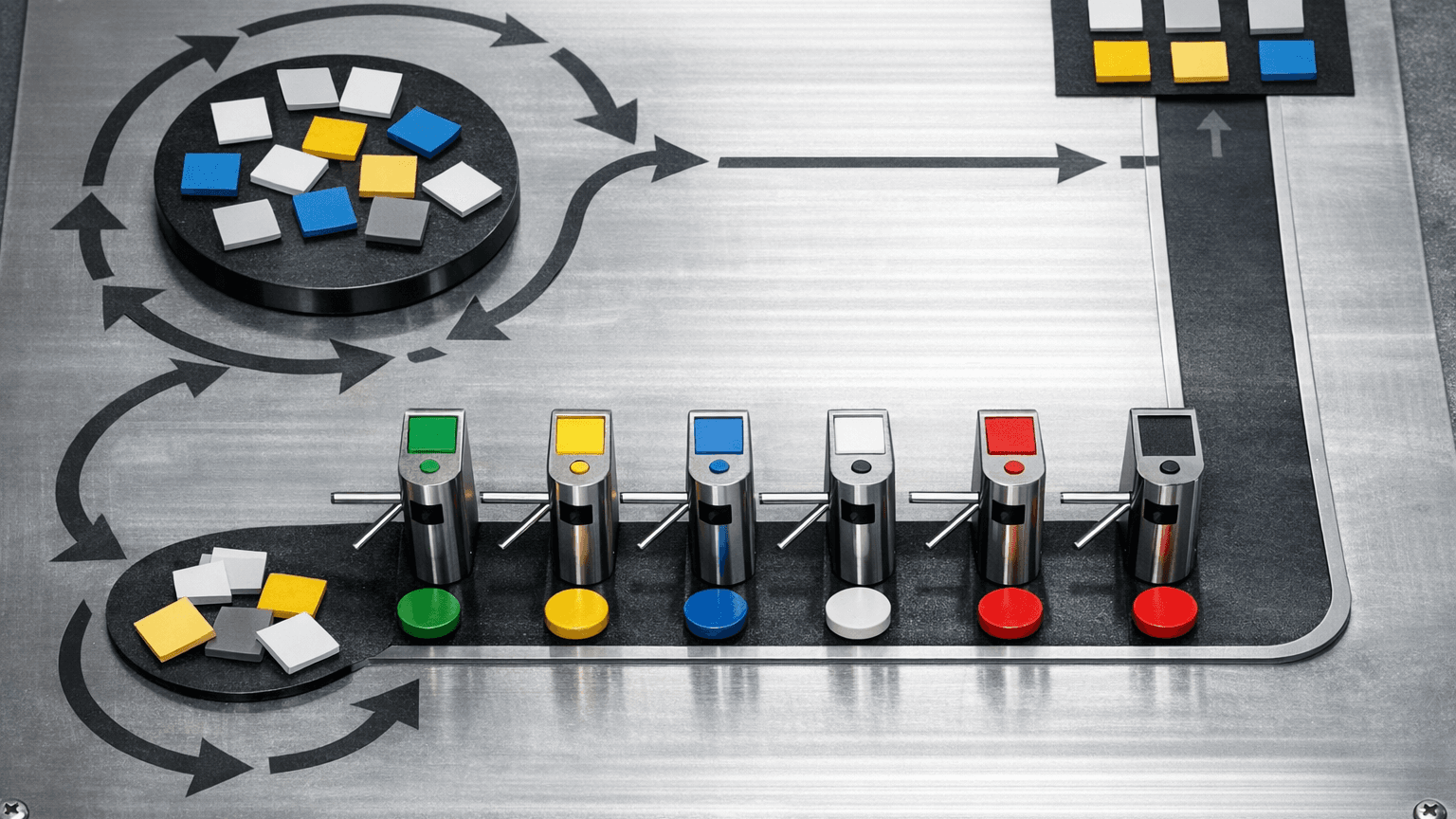
ما يفعله مكتب إدارة المشاريع من جانب المالك فعليًا
يُدمج جاهزية المصنع بمعالم المورد؛ يُجري مراجعات مخاطر متقاطعة؛ يُطبّق التصعيد؛ يُبقي الافتراضات والتغييرات مرئية؛ يضمن بقاء العمليات وتقنية المعلومات والصيانة والجودة على اطلاع بـ RACI واضح.
متى يكفي النهج الخفيف
النطاقات الصغيرة المحدودة ذات المالك الفردي القوي قد تحتاج فقط إيقاعًا منضبطًا — لا قسمًا جديدًا. طابق ثقل الحوكمة مع التشابك والمخاطر.
كيف يرتبط DBR77 Marketplace
ينتهي Marketplace بمسار مُختار؛ مكتب إدارة المشاريع من جانب المالك هو كيف يمنع المصنع ذلك المسار من الذوبان في قنوات غير رسمية بعد تعبئة المتكامل.
للاطلاع على أقرب قطع التسليم المجاورة، انظر كيف ينبغي أن يبدو التسليم النظيف من الاختيار إلى التسليم، وما الذي يجب أن يتضمنه خطة التعبئة الجيدة من جانب المصنّع بعد الترسية، وكيفية اختيار المالك الداخلي المناسب لمشروع أتمتة، وما مخاطر أوامر التغيير التي يجب التحقق منها قبل بدء مشروع أتمتة.
مكتب إدارة المشاريع كطبقة ترجمة
كثيرًا ما يتعلق مكتب إدارة المشاريع من جانب المالك بالترجمة أكثر من جمال مخططات غانت: من خطة المتكامل إلى تقويم المصنع، ومن قيود المصنع إلى توقعات المتكامل، ومن أسئلة المديرين التنفيذيين إلى حقيقة الأرضية. تفشل تلك الترجمة حين تتحدث كل وظيفة عبر الأخرى في اجتماعات مختلفة.
أبقِ مكتب إدارة المشاريع خفيفًا بما يكفي للبقاء سريعًا: طقوس واضحة، وسجلات مرئية، وتصعيد لا يتطلب ثلاث طبقات لتحريك قرار.
من القرار إلى سلوك المصنع
الهدف من تعزيز هذا الجزء من رحلة الشراء — «متى يحتاج المصنّع إلى مكتب إدارة مشاريع رسمي من جانب المالك لتسليم الأتمتة» عمليًا — هو جعل التنفيذ متوقعًا. في المواقع الصناعية، لا يبقى الغموض مجردًا: يصبح انتظارًا وإعادة عمل ومحاولات تحايل صامتة وجدالات بجانب المعدات حين كان الخط يحتاج وضوحًا قبل أسابيع. عندما تنشر الفرق نفس الحقائق وتربط القبول بالأدلة وتبقي المسؤولية مرئية، يستجيب الموردون بمفاجآت أقل وتقضي الوظائف الداخلية وقتًا أقل في تنسيق الروايات المتنافسة.
هذه ليست نظرية لوظائف الدعم وحدها. يشعر مدراء المصانع بالعواقب حين لا تتطابق مخرجات الشراء مع واقع الأرضية: ساعات إضافية ممتصة، ويقظة الجودة مشدودة، والصيانة مسحوبة إلى الارتجال حول واجهات نصف محددة. الانضباط القوي في الشراء هو إذن استثمار إنتاجي — دراما أقل أثناء التركيب، ومحادثات طارئة أقل بشأن التغييرات، ومسار أسرع نحو إنتاج مستقر. عند الشك، أبطئ الوثيقة حتى تتطابق مع الخط؛ تسريع وثيقة غير متطابقة لا يفعل سوى نقل الألم لاحقًا.
إذا أخذت عادة واحدة، فلتكن هذه: تعامل مع كل مخرج شراء رئيسي كشيء يمكن للعمليات والصيانة مراجعته. إذا لم يتمكنوا من ربطه بسلوك على الأرضية، اشدد اللغة حتى يتمكنوا. هذا الانضباط الواحد يمنع كثيرًا من الإخفاقات التي تبدو تقنية بأثر رجعي لكنها كانت في الحقيقة مشكلات قرار من البداية.
أخيرًا، اربط هذا الانضباط بالمساءلة: سمِّ من سيتحقق من الافتراضات على الأرضية وبأي معلم. الأساطير تزدهر حين لا يمتلك أحد القياس؛ تضعف حين تكون عملية التحقق جزءًا من خطة المشروع لا فكرة لاحقة.
خلاصة
حين يرتفع تعقيد التكامل والاقتران المتقاطع، يكون مكتب إدارة المشاريع الرسمي من جانب المالك هو كيف يحافظ المصنّع على خطة واحدة — حتى يواجه جدول المتكامل شخصًا بالغًا واحدًا على الجانب الآخر من الطاولة.
ينتهي DBR77 Marketplace بمسار مُختار؛ مكتب إدارة المشاريع من جانب المالك هو كيف تمنع المصانع ذلك المسار من الذوبان في قنوات غير رسمية بعد تعبئة المتكامل. قارن العروض أو ابدأ عرض المصنّع التجريبي.