متى تعيد فتح قرار أتمتة قبل التوقيع
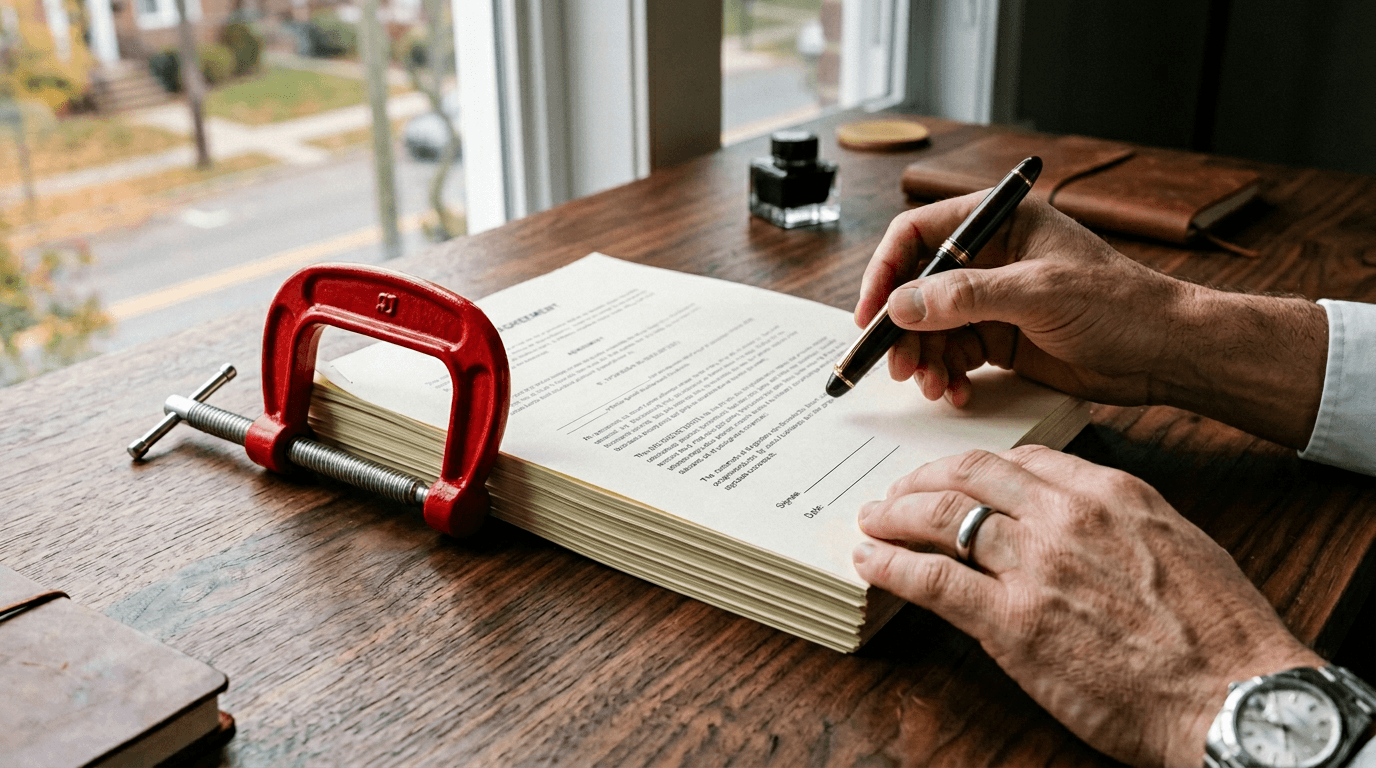
أعِد الفتح حين تكون الحقائق جوهرية
أعِد النظر في الترسية حين ينزاح النطاق الأساسي، أو تتغيّر الجدوى التقنية، أو تتباعد البنية التجارية عمّا جرت مقارنته، أو تنحرف معايير القبول في نصّ العقد عن التقييم، أو تظهر اعتماديات جديدة تُبطل منطق الجدول الزمني. المعيار هو الجوهرية: هل كان مشترٍ عاقل سيختار بشكل مختلف لو كانت هذه المعلومة على الطاولة؟

لا تعِد الفتح من أجل الذوق
تجنّب إعادة الضبط لأن مديرًا تنفيذيًا جديدًا يفضّل علامة أخرى، أو لأن اجتماعًا متأخّرًا أدخل قلقًا غير قابل للدحض. إعادة الفتح بلا قواعد تصبح تموّجًا — والتموّج يدرّب المؤسسة على استعجال التواقيع لإيقاف الضجيج.
أبقِه محدودًا
إن أعدت الفتح، فحدّث الحقول المنظَّمة: النطاق، والافتراضات، ومنطق السعر، والمعالم، والقبول. أعِد نشر سجلّ المقارنة. امنح المورّدين فرصة عادلة ومحدّدة زمنيًا للردّ إن تغيّر مسارهم. الهدف قرار مُصحَّح، لا حلقة لا نهائية.
يجب أن يطابق نصّ العقد الواقع المُقيَّم
إن خفّف الاتفاق الاستثناءات، أو ضبّب القبول، أو خفّف قواعد التغيير مقارنةً بما قارنته، فلديك مشروع جديد. سمِّه وقرّره.
كيف يساعد DBR77 Marketplace
إعادة الفتح قابلة للإدارة حين تبقى مُخرَجات المقارنة محدَّثة بما يكفي للفحص والتحديث. الحقول المنظَّمة تحوّل المراجعة المتأخّرة إلى ضابط محدود بدلًا من تنقيب في صندوق البريد.
لأقرب جيران العقد والتنفيذ، انظر ماذا تفحص قبل توقيع عقد أتمتة و ماذا ينبغي أن يُظهِر عرض أتمتة جيّد و كيف ينبغي أن يبدو التسليم النظيف من الاختيار إلى التسليم.
الثقافة: كافئ الصدق عند البوابة
تتجنّب الفِرق إعادة الفتح لأنها تبدو كاعتراف بخطأ. أعِد التأطير: التقاط عدم تطابق قبل التوقيع نجاح، لا فشل. المؤسسات التي تعاقب الحقيقة المتأخّرة تعلّم الناس إخفاء المفاجآت حتى التشغيل — حين يكون العقاب جماعيًا. اجعل التصحيحات قبل التوقيع علامة على حوكمة ناضجة.
وثّق ما تغيّر ولماذا. أنت في المستقبل — والمدقّقون في المستقبل — ستريدون القصّة في مكان واحد.
من القرار إلى سلوك المصنع
الغرض من إحكام هذا الجزء من رحلة الشراء — «متى تعيد فتح قرار أتمتة قبل التوقيع» عمليًا — هو جعل التنفيذ قابلًا للتنبّؤ. في المواقع الصناعية، لا يبقى الغموض مجرّدًا: يصبح انتظارًا، وإعادة عمل، وحلولًا صامتة، وجدالات بجوار المعدّات حين كان الخط يحتاج الوضوح قبل أسابيع. حين تنشر الفِرق الحقائق نفسها، وتربط القبول بالدليل، وتُبقي الملكية مرئية، يستجيب المورّدون بمفاجآت أقلّ وتقضي الوظائف الداخلية وقتًا أقلّ في التوفيق بين قصص متنافسة.
هذه ليست نظرية لوظائف الإسناد وحدها. يشعر مديرو المصانع بالعواقب حين لا تطابق مُخرَجات الشراء واقع الصالة: عمل إضافي مُمتَصّ، ويقظة جودة مُمطَّطة، وصيانة تُجَرّ إلى الارتجال حول واجهات نصف معرَّفة. لذا فإن انضباط الشراء القوي استثمار إنتاجي — دراما أقلّ أثناء التركيب، ومحادثات تغيير طارئة أقلّ، ومسار أسرع إلى إنتاج مستقرّ. عند الشكّ، أبطِئ المستند حتى يطابق الخطّ؛ فإسراع مستند غير متطابق ينقل الألم إلى المراحل اللاحقة فحسب.
إن أخذت عادة واحدة، فلتكن هذه: عامِل كل مُخرَج شراء رئيسي كشيء تستطيع العمليات والصيانة تدقيقه. إن لم يستطيعوا تتبّعه إلى سلوك في الصالة، فأحكِم اللغة حتى يستطيعوا. هذا الانضباط الواحد يمنع كثيرًا من الإخفاقات التي تبدو تقنية بأثر رجعي لكنها كانت مشكلات قرار منذ البداية.
أخيرًا، اربط هذا الانضباط بالمساءلة: سمِّ من سيتحقّق من الافتراضات في الصالة وبأي معلم. تزدهر الخرافات حين لا يملك أحد القياس؛ وتضعف حين يكون التحقّق جزءًا من خطة المشروع، لا فكرة لاحقة.
الخلاصة
أعِد الفتح قبل التوقيع حين تتغيّر حقائق جوهرية أو حين لا يعود نصّ العقد يطابق العرض المُقيَّم. بعد التوقيع لا يزال لديك ضبط التغيير؛ وقبل التوقيع لا تزال لديك أنظف فرصة لمواءمة الحقيقة مع الحبر.
DBR77 Marketplace يُبقي مُخرَجات المقارنة محدَّثة كي تكون إعادة الفتح المتأخّرة تحديثًا محدودًا للحقول المنظَّمة، لا عودة إلى التنقيب في صندوق البريد. قارن العروض أو ابدأ العرض التوضيحي للمصنّعين.