لماذا لم تعد إضافة المزيد من الأشخاص تنجح كاستراتيجية نمو

الطاقة الإنتاجية خاصية للنظام، لا بند لعدد الموظفين
يزيد التوظيف من مدخلات العمالة. لكنه لا يزيد تلقائيًا الإنتاجية المستقرة، ولا يقلّل التباين، ولا يبسّط الإشراف. ينضمّ كل شخص جديد إلى شبكة من عمليات التسليم ومسارات التدريب والعادات بين المناوبات، وهي تحدّد الأداء بقدر ما تحدّده المهارة الفردية.
حين يكون القيد بنيويًا — محطة لا تستطيع الحفاظ على الإيقاع، خطوة يدوية تحقن التباين، اختناق في نهاية الخط يتوسّع خطيًا مع الحجم — يعالج عدد الموظفين العَرَض بينما يبقى عنق الزجاجة. قد يشعر العمل بأمان أكبر على المدى القصير لأن الأشخاص مرئيون. أما على المدى الطويل، فقد يصبح النموذج التشغيلي أكثر هشاشة، لا أقوى.
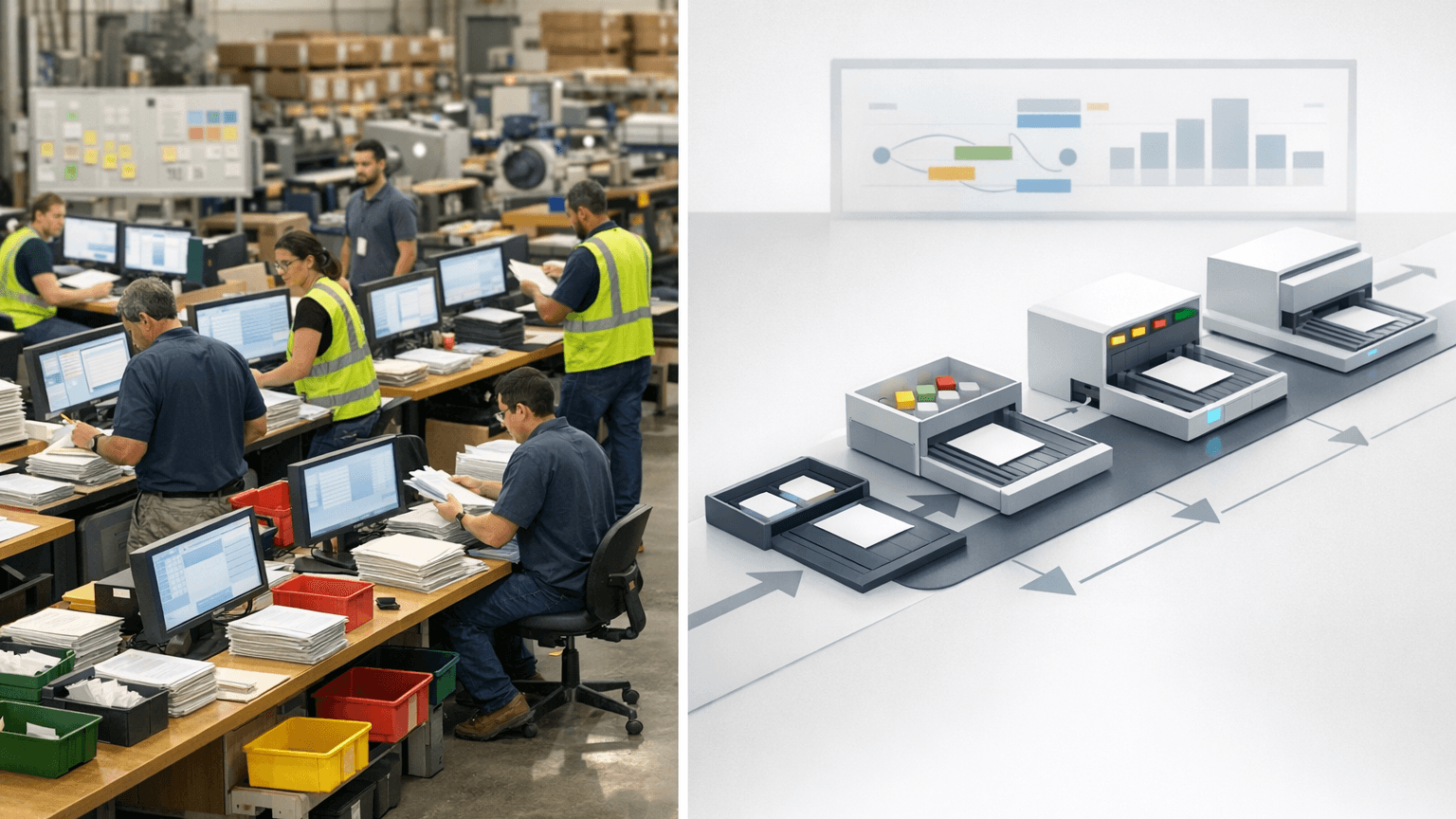
المخاطر التي لا تظهر في طلب التوظيف
تكلفة الأجور سهلة النمذجة. أما الأصعب نمذجةً، وهي لا تقلّ واقعية، فهي زمن التهيئة، والأداء المتفاوت بين الطواقم، ودوران الموظفين في أسواق العمل المتوتّرة، وعبء الإشراف اللازم لمنع انزلاق الجودة حين يرتفع الإيقاع. أنت لا تشتري ساعات فحسب، بل تشتري أيضًا اعتمادًا على توافر العمالة المحلية وعلى المعرفة الضمنية التي تخرج من الباب حين يرحل أحدهم.
يظهر هذا الاعتماد في أسوأ الأيام: ذروة الموسم، مخاوف الجودة، موجة غياب مفاجئة. إذا كانت خطتك للنمو تفترض أنك تستطيع دائمًا التوظيف لسدّ الفجوة، فأنت قد أسندت جزءًا من استراتيجيتك إلى أسواق عمل لا تتحكّم بها.
التوظيف من أجل الطوارئ مقابل إعادة التصميم من أجل البنية
ثمّة تمييز صادق تُضبّبه فِرق كثيرة. يمكن للتوظيف أن يمتصّ ذروة. يمكنه تغطية اندفاعة مؤقتة أو نمط موسمي معروف. أما إعادة تصميم العملية — غالبًا مع الأتمتة حيث تتطلّب قابلية التكرار والسلامة ذلك — فتغيّر كيفية إنجاز العمل، بحيث لا تتطلّب الذروة التالية الجَلَبة المتناسبة نفسها.
حيث تكون الحركة متوقَّعة، والتسلسلات مستقرّة، والجودة حسّاسة لعدم اتساق البشر، فإن مواصلة التوسّع بالعمالة وحدها كثيرًا ما تعني توسّع إطفاء الحرائق أيضًا. ليست الأتمتة دائمًا هي الجواب، لكن ينبغي أن تكون مطروحة حين يطلب العمل نفسه المزيد من النمط اليدوي ذاته.
لماذا لا تزال الأتمتة تخسر أمام «وظِّف فحسب»
حتى حين يرى القادة حدود التوسّع المعتمد على العمالة، تتعثّر المشاريع. يبدو مسار الأتمتة ثقيلًا: نطاق غير واضح، ونفقات رأسمالية مخيفة، ومشهد مورّدين غير مألوف، وخلاف داخلي حول معنى «النجاح». التوظيف بسيط إداريًا بالمقارنة. تملأ طلبًا، يأتي الناس، وتشعر المؤسسة بأنها استجابت.
بدون طريقة منظَّمة لتعريف تحدّي الأتمتة ومقارنة الحلول، يفوز الخيار الأسهل افتراضيًا — حتى حين يكون الخيار الأصعب هو الدائم.
محادثة استراتيجية أكثر حدّة
تقرن المناقشة التشغيلية الأقوى خطط عدد الموظفين بحقيقة العملية: أي المهام ينبغي أن تبقى بقيادة بشرية لأن الحكم والقدرة على التكيّف مهمّان؛ وأيها متكرّر وهشّ عند التوسّع؛ وأين يكلّف التدفّق اليدوي إنتاجيةً أو جودةً أو سرعة استجابة؛ وكيف ينبغي أن يبدو أول مشروع أتمتة ليكون جاهزًا للقرار بدلًا من أن يكون مجرّد طموح.
هذا التأطير يبقي التوظيف في موضعه — بوصفه خيارًا مقصودًا — لا الخيار الافتراضي الصامت الذي يخفي الحدود البنيوية.
كيف يساعد DBR77 Marketplace بعد الإدراك
حالما تقبل القيادة بأن العمالة وحدها لن تحمل الفصل القادم، يصبح العائق التالي هو انضباط التنفيذ. يدعم DBR77 Marketplace مسارًا منظَّمًا: توضيح تحدّي العملية، وجمع عروض قابلة للمقارنة، وتقليص المسافة بين عنق الزجاجة وقرار مشروع قابل للدفاع عنه. الهدف حركة عملية، لا شريحة استراتيجية أخرى.
الخلاصة
قد يكون التوظيف ضروريًا؛ لكنه نادرًا ما يكون كافيًا كاستراتيجية نمو طويلة الأمد للعمل الصناعي المتكرّر. اقرن قرارات الأشخاص بتصميم العملية، وعامِل الأتمتة بوصفها مشكلة تدفّق عمل — لا ترقية مستقبلية غامضة — حين يستمرّ الحجم في الاصطدام بالقيد اليدوي نفسه.
DBR77 Marketplace يساعد المصنّعين على تحويل ألم ضغط العمالة إلى تحدّي أتمتة منظَّم بعروض قابلة للمقارنة ومسار قرار أوضح. صِف تحدّيك أو ابدأ العرض التوضيحي للمصنّعين.