لماذا لا تنطلق معظم مشاريع الأتمتة أبدًا

عنق الزجاجة هو الوضوح وليس الفضول
حين يقول مصنع إنه يريد الأتمتة، نادرًا ما يكون الجزء الصعب هو نقص التكنولوجيا. بل هو ترجمة الألم التشغيلي إلى تحدٍّ يستطيع عدة مورّدين الإجابة عليه بالشروط نفسها. وإلى أن يحدث ذلك، تجرّ كل محادثة النطاق في اتجاه مختلف. العمليات تسمع «الإنتاجية». الهندسة تسمع «الواجهات». المشتريات تسمع «مدة التسليم والدفع». المالية تسمع «النفقات الرأسمالية». بدون موجز مشترك وإطار مقارنة مشترك، تُحسِّن كل وظيفة لقصة مختلفة — ولا يصمد المركز.
التكلفة الخفية هي حركة تتنكّر في صورة نشاط. تتكاثر سلاسل البريد الإلكتروني. يحصل أحد المورّدين على توضيح خاص لا يراه الآخرون أبدًا. تعديل «بسيط» في النطاق في الأسبوع السادس يُبطل ما جرى تسعيره في الأسبوع الثاني. يشعر الفريق بأنه يتقدّم، لكن سطح القرار يزداد فوضى في الواقع.
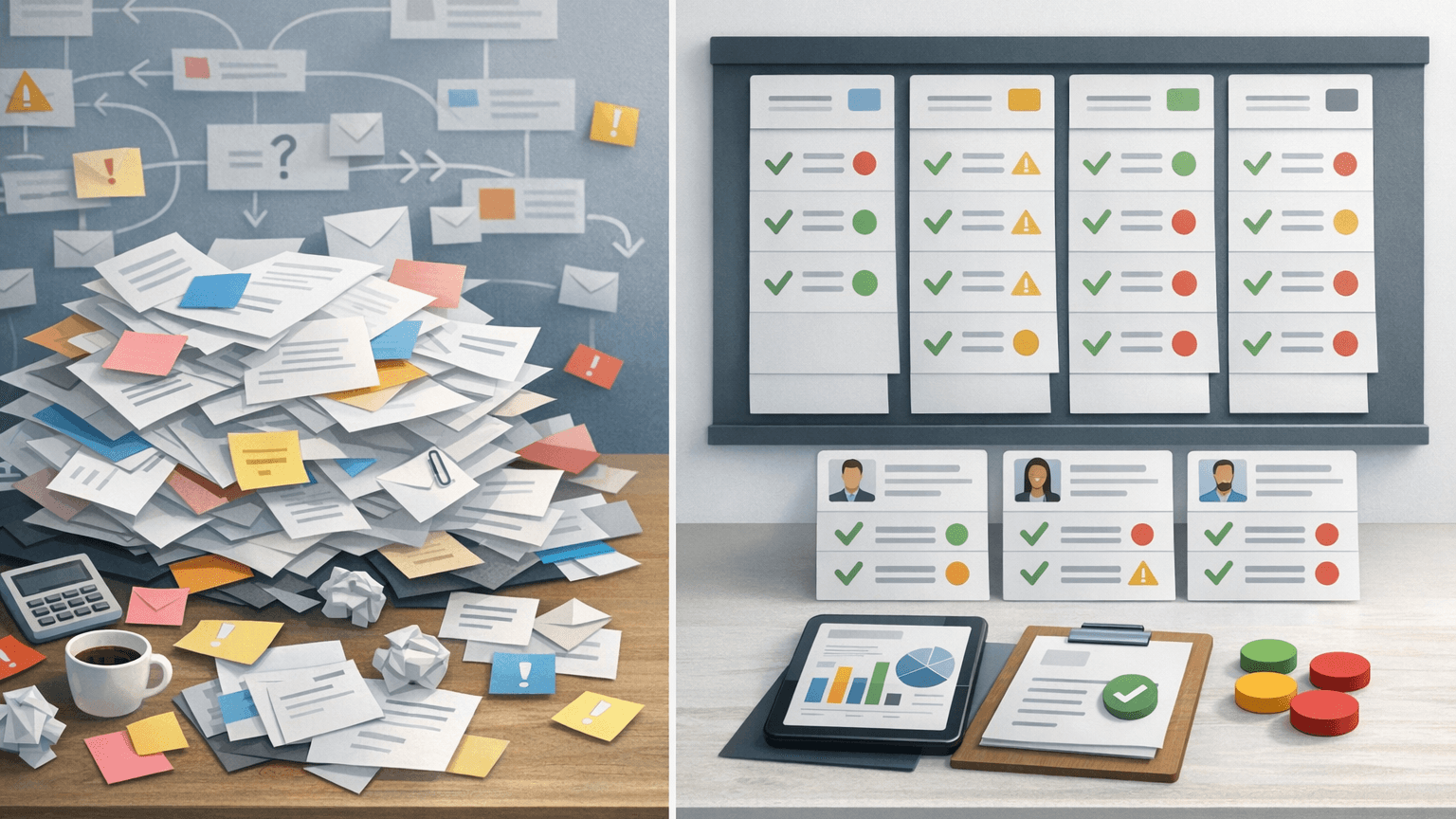
ما تشعر به صالة الإنتاج بينما يتعثّر الشراء
في صالة الإنتاج، تستمر العملية القديمة في العمل. تمتص ساعات العمل الإضافي الذُّرى. يشرح المشرفون الحل البديل نفسه مرارًا. تبقى الجودة، لكن فقط لأن الناس يراقبون. الألم حقيقي بما يكفي لتبرير مشروع، لكنه ليس حادًّا بما يكفي لفرض قطيعة نظيفة — لا سيّما حين لا تستطيع القيادة بعدُ الإجابة عن سؤال بسيط في جملة واحدة: ماذا نشتري، ولأي نتيجة تشغيلية، وتحت أي قيود، وكيف سنعرف أنه نجح؟
هذه الفجوة بين الألم المُحسَّ والتحدّي المكتوب هي حيث تنتظر المشاريع. تستهين بها الفِرق لأن الاجتماعات لا تزال تُعقد. ما يتوقف هو القابلية للمقارنة: القدرة على صفّ العروض ورؤية الفروق المهمّة بدلًا من فروق في سرد القصص.
لماذا يصبح «لاحقًا» هو الخيار الافتراضي
يبدو التأجيل عقلانيًا حين تكون المقارنة ضبابية. لا أحد يريد توقيع شيك كبير وهو غير متأكد مما في الصندوق. لذا تختار المؤسسة مزيدًا من الاستكشاف، ومزيدًا من العروض التوضيحية، ومزيدًا من جلسات المواءمة الداخلية — دون إحكام تعريف ما يجب اتخاذ قرار بشأنه. في تلك البيئة، تصبح الأتمتة فئةً للنقاش بدلًا من عملية شراء تُنجَز.
المفارقة أن جزءًا كبيرًا من الوقت يُستهلك قبل أن يُشحَن المعدن. كثيرًا ما يستهلك الاستطلاع والتوحيد والتفاوض وإعادة صياغة المتطلبات اهتمامًا تنفيذيًا أكبر مما سيستهلكه التنفيذ يومًا. إذا أردت السرعة حيث تهمّ، فعليك أن تستثمر في البنية مسبقًا: سردية تحدٍّ واحدة، ومجموعة حقول واحدة يجيب عنها الجميع، ومسار واحد من القائمة المختصرة إلى الترسية.
من الخبرة إلى تدفّق العمل
يفشل المهندسون والمشترون الأكفاء أيضًا حين تكون العملية المحيطة بهم ارتجالية. تساعد الخبرة على الحكم على الإجابات؛ لكنها وحدها لا تنتج أسئلة قابلة للمقارنة. ما يحتاجه المصنّعون هو مسار قابل للتكرار من المشكلة إلى تحدٍّ محدّد النطاق، ومن التحدّي محدّد النطاق إلى تقييم متكافئ، ومن التقييم إلى سجلّ قرار يصمد بعد الأسبوع الأول من التوقيع.
الأمر أقل ارتباطًا بالكاريزما في الغرفة وأكثر ارتباطًا بالانضباط كتابةً: ما الداخل في النطاق، وما الخارج منه، وما الافتراضات التي يجب أن يصرّح بها المورّدون، وكيف سيُثبَت القبول. حين توجد هذه العناصر مبكرًا، تتحوّل طاقة المورّد إلى تقدّم. وحين لا توجد، يسهم حتى المورّدون الجيدون في الضجيج.
كيف يسدّ DBR77 Marketplace هذه الفجوة
DBR77 Marketplace ليس كتالوجًا للروبوتات. إنه تدفّق عمل لقرارات الأتمتة — يساعد الفِرق على تعريف التحدّي بوضوح، ومقارنة العروض بطريقة منظَّمة، والمضيّ في تدفّق المورّدين دون فقدان الخيط. الهدف ليس إظهار ما هو موجود في السوق؛ بل تقليل الغموض الذي يبقي المصنّعين يدورون في حلقة بدلًا من الاختيار.
بالنسبة إلى المؤسسات التي تؤمن بالفعل بأهمية الأتمتة لكنها ترفض إنفاق ربع سنة آخر في حلقات توريد متناثرة، المكسب بسيط: واقعيات متوازية أقل، ومقارنات أكثر قابلية للدفاع عنها، ومسار أسرع إلى التنفيذ.
السؤال الذي يغيّر السرعة
اطرح هذا السؤال قبل أن تسأل عن العلامة التجارية أو المُكامِل الذي تفضّله: كيف نصف هذه المشكلة التشغيلية بحيث يسعّر كل مورّد جادّ ويخطّط للعمل نفسه؟ أجب عن ذلك بموجز محكم وإطار مقارنة عادل، وعندها يمكن للمشروع أخيرًا أن يغادر غرفة الانتظار. تجاوزْه، وقد تبقى مشغولًا إلى الأبد دون أن تبدأ أبدًا.
الخلاصة
عادةً ما تفشل مشاريع الأتمتة قبل التنفيذ لأن نظام الشراء لا يستطيع إنتاج قرار نظيف. هيكِل التحدّي، ووحِّد المقارنة، وأبقِ تفاعلات المورّدين مرتبطة بسجلّ واحد لما يعنيه «الجيد». هكذا تتحوّل النية إلى مشروع ينطلق فعلًا.
DBR77 Marketplace يُنظّم صياغة التحدّي ومقارنة العروض وتدفّق المورّدين للحدّ من فوضى توريد الأتمتة. صِف تحدّيك أو ابدأ العرض التوضيحي للمصنّعين.