The Hidden Cost of Manual Processes in Manufacturing
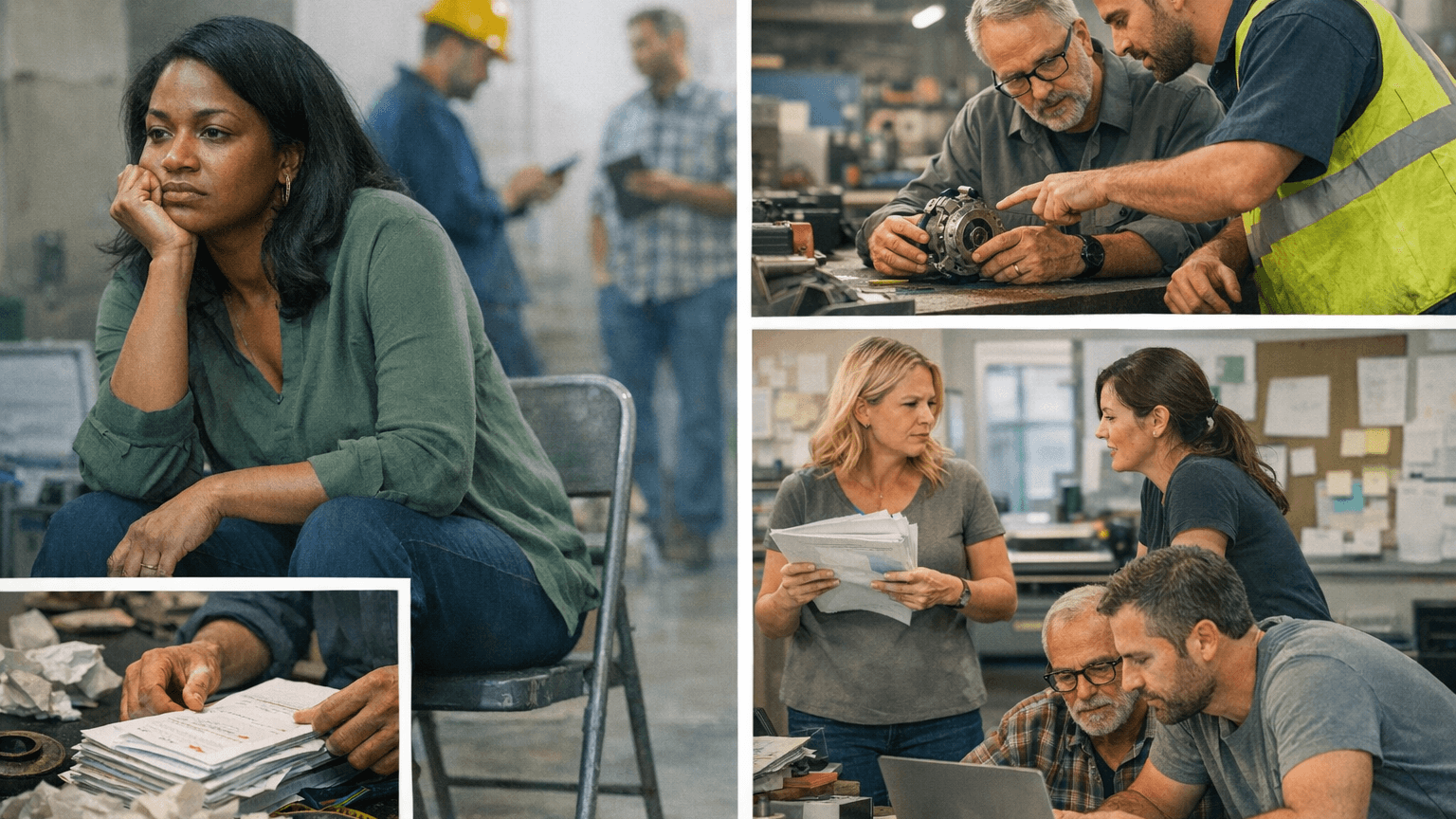
Labor is the tip of the iceberg
Headcount is visible. What surrounds it is less so: the cost of uneven pace across shifts, the time supervisors spend smoothing differences between teams, the onboarding load when turnover bites, the hidden premium of running hot on overtime because the baseline process cannot hold takt. Manual systems can be flexible; they can also be fragile in exactly the places where you need repeatability.
When the process is repetitive and high-touch, you are not only buying hands. You are buying a distribution of outcomes. Some days the line hums. Some days it stumbles for reasons that never make it into the capex deck. Automation conversations should start from that full picture—not from a single wage assumption.

What growth feels like when the bottleneck is manual
Scaling output through more bodies works until it does not. Each incremental hire adds coordination surface: more handoffs, more training debt, more scheduling complexity. Leadership starts to hesitate on promises—lead times, mix changes, volume steps—because the operating model underneath is still people-constrained at the choke point.
That hesitation has a cost. It shows up as missed windows, conservative planning, and projects that stay small because the organization does not trust the floor to absorb change cleanly. Manual pain is not only today’s efficiency gap; it is tomorrow’s strategic wobble.
Quality, rework, and the costs that never get a line item
Strong operators mask weak processes for a long time. Defects get caught, rework gets absorbed, and the P&L still looks acceptable—until a customer complaint, an audit finding, or a spike in scrap forces the issue. Traceability and repeatability suffer when critical steps depend on judgment under pressure. Those losses often sit inside existing cost centers, which makes them easy to ignore when comparing capex to “current state.”
A sharper automation discussion asks where variability hurts outcomes, not only where it hurts feelings on the shift.
Coordination waste is real money
The task itself may take minutes. The surrounding choreography—waiting for a decision, chasing a missing label, rescheduling because upstream slipped, escalating a mismatch between what engineering documented and what the line actually does—can take hours a week across a site. That is not laziness; it is what happens when flow depends on too many human bridges.
Plants tolerate it because each instance looks small. Multiplied across shifts and SKUs, it becomes a permanent drag that no single owner is incentivized to quantify.
The equilibrium that quietly hurts you
The most expensive pattern is cultural: everyone agrees the process is not ideal, nobody disagrees that automation would help “someday,” and the organization learns to live with the friction. Urgency never quite spikes high enough to force a structured buy, so the hidden tax keeps compounding.
Breaking that equilibrium starts with language. Name the recurring losses. Tie them to time and flow, not only to labor rates. Then ask what staying manual costs per month of delay—not to win an argument, but to make the trade visible.
From insight to a buyable project
Seeing the cost is not the same as acting on it. Manufacturers still need a path that turns pain into a scoped challenge, comparable offers, and a decision record everyone can stand behind. Without that workflow, even obvious manual waste stays trapped in conversation.
How DBR77 Marketplace supports the shift
DBR77 Marketplace helps manufacturers move from vague automation interest to structured sourcing: a clearer challenge, offers that can be compared fairly, and less chaos between functions. The role is not to glamorize robotics—it is to connect operational truth on the floor to a buying process that respects it.
Bottom line
The hidden cost of manual processes is the sum of variability, coordination drag, quality risk, and slowed confidence in growth—not just wages. Measure that full cost before you compare capex numbers. The automation decision gets easier when “do nothing” stops looking free.
DBR77 Marketplace helps manufacturers turn vague automation intent into a structured challenge, comparable offers, and a cleaner decision path. Describe your challenge or Start manufacturer demo.
Frequently asked
The Hidden Cost of Manual Processes in Manufacturing?
manufacturers make better automation decisions when they measure the full operational cost of staying manual, not only the visible labor line